
A recent survey showed that while people understand that suicide is preventable and that they would act to help someone they know who is at risk. Yet many of us are afraid to do the wrong thing. But honestly, the first step starts with simply reaching out. It may seem like a small thing, but survivors of suicide attempts and suicide experts say, it can go long way.
The best way to understand suicide is to make sure you know the risk factors and warning signs of suicide.
Risk Factors of Suicide
Risk factors can include both the situations a person experiences and how the person is feeling internally.
- Life Situations: Certain conditions and situations are associated with an increased risk of suicide, including:
- Death or terminal illness of a relative or friend
- Divorce, separation, or the breakup of a relationship
- Loss of health (real or imagined)
- Loss of job, home, money, status, self-esteem, or personal security
- Drug or alcohol misuse
- Depression
- Holidays and anniversaries
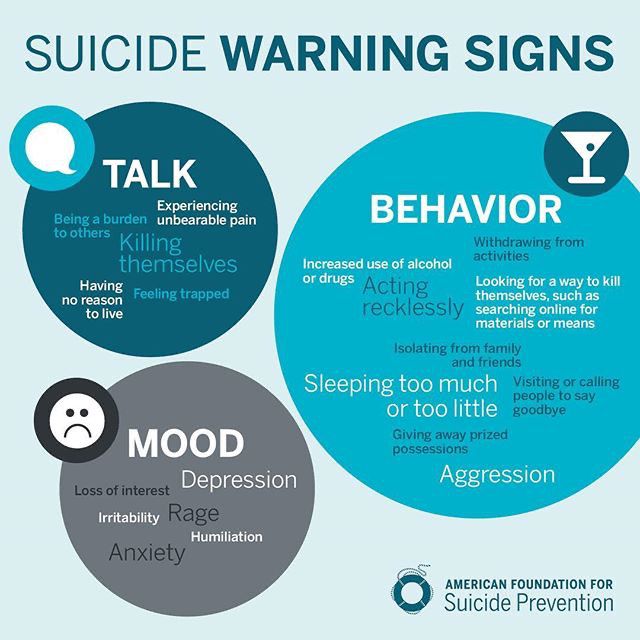
- Emotional and Behavioral Changes: Emotionally, the suicidal person may be feeling:
- Overwhelming pain
- Hopelessness
- Powerlessness
- Worthlessness, shame, guilt, or self-hatred
- Fear of losing control and harming themselves or others
- Appear sad, withdrawn, tired, apathetic, anxious, irritable, or prone to angry outbursts
- Not be performing well in school, work, or other activities
- Become socially isolated or fall in with the “wrong crowd”
- Have declining interest in sex, friends, or activities previously enjoyed
- Neglect personal welfare or let their appearance go
- Experience a change in eating or sleeping habits
Suicide Prevention
If you don’t know if you should be concerned about a loved one and aren’t ready to take them to the emergency room or call the suicide hotline, here are some things you can do. - Be Alert
- Know the risk factors and warning signs. Be particularly concerned if your loved one shows multiple suicide warning signs.
- Encourage a loved one with depression to seek help. Help them locate treatment resources such as a doctor, therapist, or suicide hotline.
- Communicate
- Don’t discount your loved one’s feelings. Even if a situation seems easily fixable to you that doesn’t mean that your loved one sees it the same way.
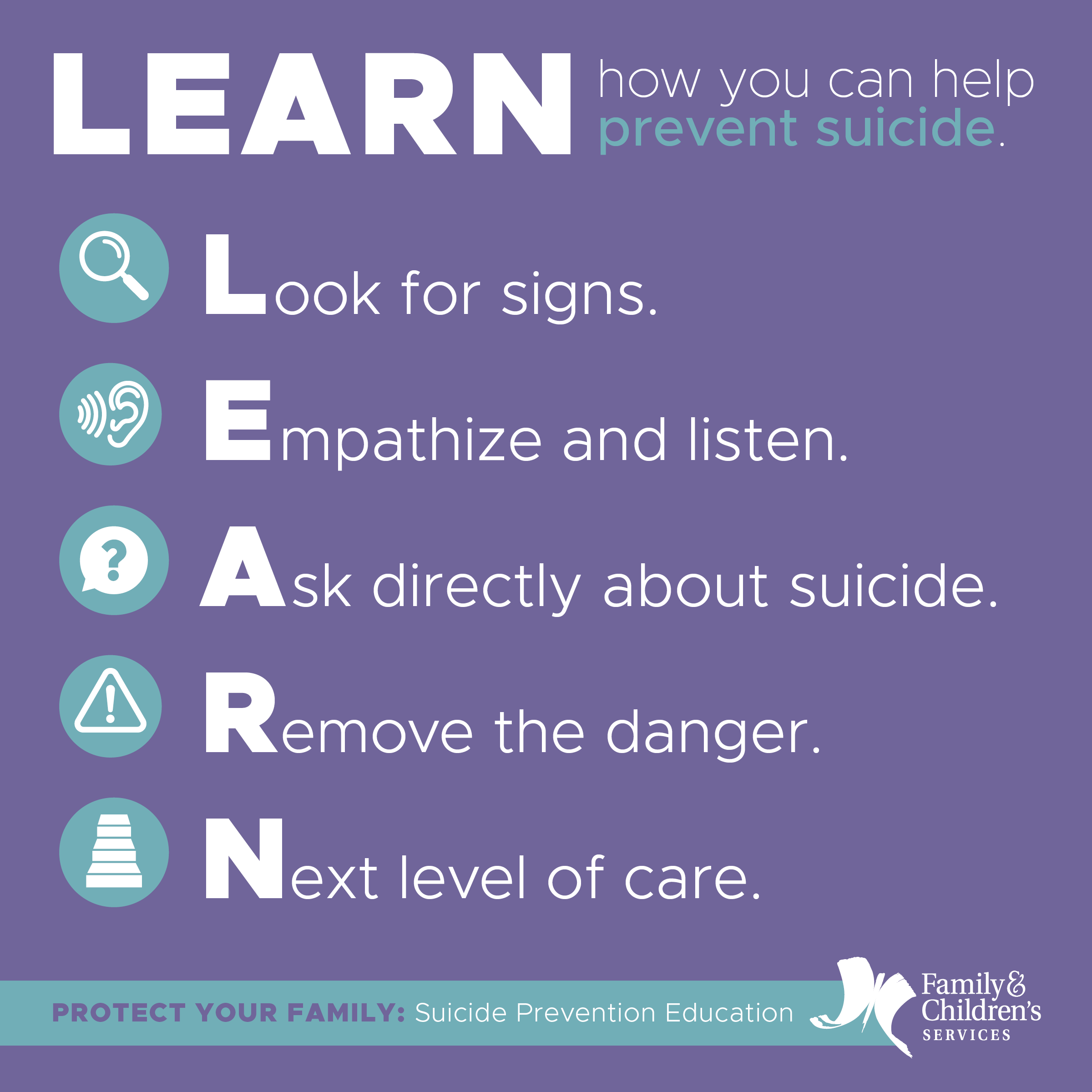
The five action steps for communicating with someone who may be suicidal are supported by evidence in the field of suicide prevention. - ASK: Asking the question “Are you thinking about suicide?” communicates that you’re open to speaking about suicide in a non-judgmental and supportive way. Asking in this direct, unbiased manner, can open the door for effective dialogue about their emotional pain Other questions you can ask include, “How do you hurt?” and “How can I help?” Do not ever promise to keep their thoughts of suicide a secret.
- BE THERE: This could mean being physically present for someone, speaking with them on the phone when you can, or any other way that shows support for the person at risk. An important aspect of this step is to make sure you follow through with the ways in which you say you’ll be able to support the person. If you are unable to be physically present with someone with thoughts of suicide, talk with them to develop some ideas for others who might be able to help as well.
- KEEP THEM SAFE: After the “Ask” step, and you’ve determined suicide is indeed being talked about, it’s important to find out a few things to establish immediate safety. Have they already done anything to try to kill themselves before talking with you? Does the person experiencing thoughts of suicide know how they would kill themselves? Do they have a specific, detailed plan? What’s the timing for their plan? What sort of access do they have to their planned method?
- HELP THEM CONNECT: Helping someone with thoughts of suicide connect with ongoing support can help them establish a safety net for those moments they find themselves in a crisis. One way to start helping them find ways to connect is to work with them to develop a safety plan. This can include ways for them to identify if they start to experience significant, severe thoughts of suicide along with what to do in those crisis moments. A safety plan can also include a list of individuals to contact when a crisis occurs.
- FOLLOW UP: After your initial contact with a person experiencing thoughts of suicide, and after you’ve connected them with the immediate support systems they need, make sure to follow-up with them to see how they’re doing. Leave a message, send a text, or give them a call. The follow-up step is a great way to be the one to check in with them to see if there is more you are capable of helping with or if there are things you’ve said you would do and haven’t yet had the chance to get done for the person.
Thoughts of suicide, even if they seem vague, should always be taken seriously.
There’s no one-size-fits-all approach to helping a friend who’s thinking about suicide, but you can never go wrong by showing compassion and support.